
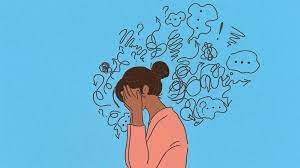
If you think you have depression, you are not alone. It’s one of the most widespread psychological disorders. It’s the common cold of mental health. We are in an epidemic of depression and it is the main threat to our psychological well being. One in two adults will have an episode in their lives and your risk of having another episode increases with each one. Sadly, the incidence of the first onset of depression has fallen from mid-life to early teens.
What can we do to combat this?
The mainstream media has a role to play in the level of depression and anxiety being experienced today. I often ask my clients how much TV, social media and news they listen or read per day. Often the most depressed and anxious clients will be concerned about global events and things they see on media – its fuel for the fire of anxiety and fear. It doesn’t help. I always suggest they limit or indeed, switch off, their media. Winston Churchill once said “it is startling how the great events of the age leave the ordinary person completely unaffected”. We need to notice and understand that if we are feeling anxious about events on the other side of the world that we are merely feeding our negative mood. I always ask clients to think about and make notes about how they can bring their attention back to their own family, their own community, their own health, their own careers, etc. Don’t pay your attention to events and people you will likely never meet or experience.
A beautiful hypnosis technique we can focus on is to really picture and imagine all the good things around us, being grateful and realising how many gifts we have – no matter how small – and really connect and become clear about the good things in our real lives (rather than imagined scenarios in far away places). Another technique we use is focusing on the here and now – rather than imagined future events that likely will never come to pass. The amount of people living into an imagined future and spending huge amounts of energy and negative feelings preparing for something they imagine might happen is truly staggering. Start living into a positive imagined future and your thoughts and feelings change immediately.
There is a direct correlation between thoughts, feelings and depression. It’s worth taking a moment to think about what you are thinking. One idea is to keep a “thought journal” and jot down the thoughts you notice habitually. This is useful because we are often unaware of our repetitive thoughts – we are thinking negatively but don’t even realise we are doing it.
If you do notice repetitive negative thoughts then think about how to reframe them. If your thought is “I always get it wrong” then a reframe might be: “I am learning more and more each day”. It’s the same thought, just as a more empowering thought. Practice makes it easier.
I receive more and more referrals from psychiatrists and doctors for hypnosis for long term depression. This is because hypnosis is a great way to change the thinking pattern of a person. Hypnosis has a long history of this type of application and we work to understand clearly what the thought is that the person is having, how that thought affects them and how we can reframe that thought with a more empowering or positive thought.
Another development is Positive Psychology – this is the scientific study of optimal functioning and well being. Terms like resilience, optimism, happiness, strengths and flourishing are used. The idea is to focus the attention of the client on what works and then build on that, giving them greater resources and coping skills, which are then fed back into dealing with other issues. Its shifting away from the disease model to a wellness model.
Very depressed people often retreat from life and it’s important for families to be aware of this and to encourage and support the person to remain active. Many depressed people are going to parties, pursuing hobbies and pushing themselves – with support and assistance. It is worth persevering, even though it can be tiring when dealing with a chronically depressed friend or family member.
Some ideas if you are depressed: set a time to get out of bed and try to stick to it; Have a plan for your day; do a short (10 min) meditation on rising; avoid stimulants like coffee in the morning (depression is often worse in the morning); eat regularly to keep blood sugar stable (blood sugar is a key component of mood); set small, attainable goals for the day (like a cup of tea with a friend, reading a chapter of a book); consult your GP; be kind to yourself; seek uplifting people.
This article appeared as a shorter version in the October edition of The Mountain Echo, Southern KZN, South Africa.